
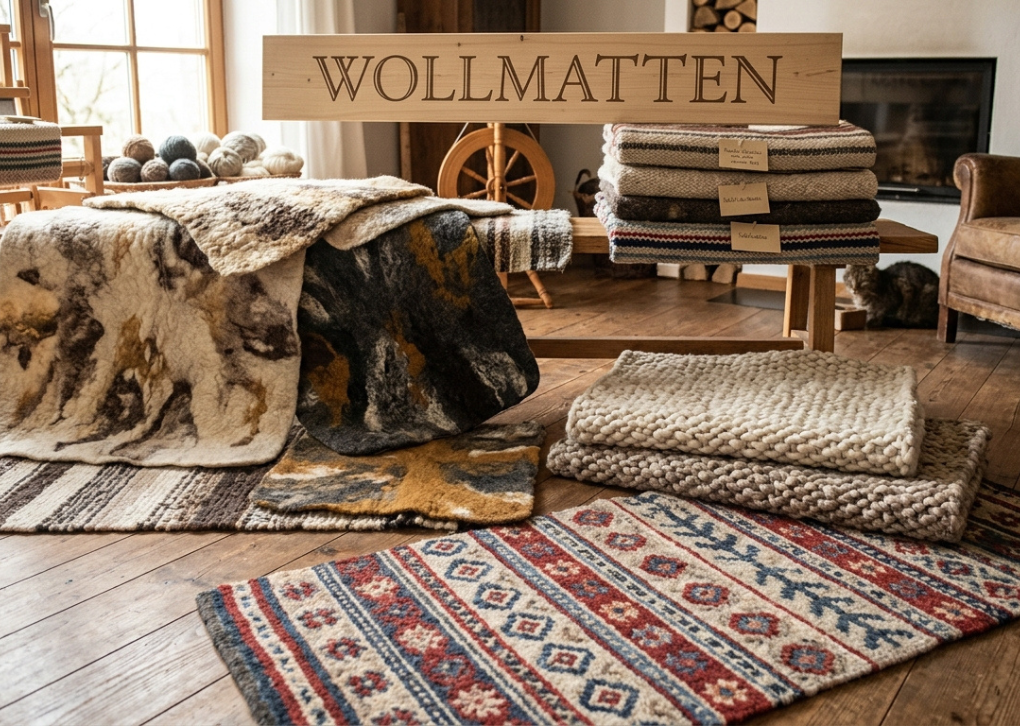
When people search for eco-friendly materials that improve warmth, comfort, and indoor air quality, wool mats are becoming an increasingly popular choice. Made primarily from natural sheep wool fibers, these versatile products combine excellent insulating performance with environmental benefits that synthetic materials often struggle to match.
For centuries, wool has been valued for its ability to provide warmth and regulate temperature. Today, modern wool mats transform these natural qualities into practical solutions for construction, interior design, crafts, and everyday applications.
The growing demand for sustainable building materials has pushed natural fibers back into the spotlight. Homeowners, architects, and designers are looking for materials that do more than simply perform a function. They want products that support healthier living spaces while reducing environmental impact.
Wool mats offer a unique combination of thermal insulation, moisture management, durability, and natural comfort.
What Are Wool Mats and Why Are They So Popular?
Wool mats are layers of compressed or processed wool fibers designed for specific applications such as insulation, sound absorption, padding, and protective coverings. Most are produced from sheep wool because of its natural strength, elasticity, and insulating structure.
Unlike many synthetic materials, wool fibers contain millions of tiny air pockets. These microscopic spaces trap air, helping slow down heat transfer.
This natural structure gives wool several valuable properties:
- Thermal insulation: Wool helps maintain comfortable temperatures in cold and warm conditions.
- Moisture regulation: It absorbs humidity from the air and releases it when conditions become drier.
- Breathability: Wool allows airflow while still providing insulation.
- Sound absorption: The fibrous structure reduces unwanted noise.
- Natural resilience: Wool fibers can bend and recover without losing their shape.
These characteristics explain why wool remains a preferred material for sustainable construction and premium interior applications.
Wool Mats as a Natural Insulation Material
One of the most common uses of wool mats is as an insulation product in environmentally conscious buildings. As energy costs increase and sustainable construction becomes more important, natural insulation materials are gaining attention.
How Wool Mats Improve Energy Efficiency
Buildings lose heat through walls, roofs, floors, and other areas where temperature differences occur. Insulation reduces this heat movement, helping maintain stable indoor temperatures.
Wool mats work by trapping air inside their fiber structure. Since trapped air is a poor conductor of heat, it creates an effective thermal barrier.
In practical terms, this means:
- Homes stay warmer during winter.
- Rooms remain cooler during summer.
- Heating and cooling systems may require less energy.
- Indoor comfort improves throughout the year.
Wool also has a unique advantage compared with some other insulation materials: it can store and release heat gradually, helping reduce sudden temperature changes.
Wool Mats vs Synthetic Insulation Materials
Choosing insulation is not only about thermal performance. Environmental impact, indoor air quality, and long-term durability also matter.
Compared with petroleum-based insulation products, wool mats provide several natural advantages:
- Made from a renewable agricultural resource.
- Require fewer synthetic chemicals in production.
- Provide natural humidity control.
- Offer a comfortable handling experience during installation.
- Can contribute to healthier indoor environments.
However, wool is not automatically the perfect solution for every project. Proper installation, moisture protection, and product quality remain essential factors.
Wool Mats for Sustainable Home Design
Modern homeowners increasingly focus on creating spaces that feel comfortable, healthy, and environmentally responsible.
Natural materials play an important role in this movement. Wood, clay, cork, and wool are often combined to create interiors with a warmer and more organic atmosphere.
Creating a Healthier Indoor Environment
Indoor air quality depends on many factors, including ventilation, building materials, and humidity levels.
Wool mats can support healthier rooms because wool naturally manages moisture.
Instead of trapping humidity permanently, wool absorbs excess moisture and releases it when the surrounding air becomes dry.
This feature can be especially valuable in:
- Bedrooms
- Living rooms
- Home offices
- Wooden houses
- Eco-friendly construction projects
A balanced humidity level can make rooms feel more comfortable and reduce the problems associated with overly dry or damp environments.
Common Applications of Wool Mats
The versatility of wool makes it useful far beyond traditional insulation.
Wool Mats in Building Construction
In sustainable architecture, wool mats are commonly used for:
- Roof insulation
- Wall insulation
- Timber frame buildings
- Interior partitions
- Floor insulation
- Renovation projects
They are particularly popular in natural building systems where breathable materials are preferred.
Wool Mats for Furniture and Interior Projects
Because wool is soft, flexible, and durable, it is also used in interior design.
Common applications include:
- Furniture padding
- Mattress layers
- Decorative panels
- Acoustic wall coverings
- Handmade crafts
- Protective packaging
The material provides both practical performance and a natural aesthetic appeal.
How to Choose the Right Wool Mats
Not every wool product offers the same quality. Choosing the right option requires understanding the material specifications and intended purpose.
Important Factors to Consider
1. Wool Quality and Origin
The quality of the raw wool affects performance. Look for manufacturers that provide information about:
- Wool source
- Processing methods
- Sustainability practices
- Quality certifications
Transparent production usually indicates better long-term reliability.
2. Thickness and Density
The thickness of a wool mat influences insulation performance.
A thicker product may provide better thermal resistance, but the correct choice depends on where it will be installed.
For example:
- Roof insulation may require thicker layers.
- Interior acoustic applications may use different densities.
- Decorative uses may prioritize appearance and flexibility.
3. Treatment and Protection
Natural wool products may receive treatments to improve resistance against insects or other environmental challenges.
Before buying, check:
- What treatments were applied.
- Whether chemicals were used.
- Whether the product meets relevant building standards.
Maintaining and Caring for Wool Mats
One major advantage of wool is its durability. With proper care, high-quality wool products can remain effective for many years.
Practical Maintenance Tips
To extend the lifespan of wool mats:
- Keep them protected from continuous moisture.
- Allow proper ventilation.
- Avoid unnecessary compression.
- Follow manufacturer care instructions.
- Store unused material in dry conditions.
Unlike many synthetic materials, wool can maintain its performance over a long period when properly installed and maintained.
Environmental Benefits of Wool Mats
Sustainability is one of the biggest reasons people choose natural wool products.
Sheep produce wool naturally, making it a renewable resource. Regular shearing provides a Wollmatten continuous supply of fibers without harming the animal.
The environmental advantages of wool mats include:
- Renewable raw material.
- Reduced dependence on fossil-based materials.
- Long service life.
- Potential for lower environmental impact at the end of their lifecycle.
However, true sustainability depends on the entire production chain, including farming practices, transportation, manufacturing, and disposal.
Common Mistakes When Using Wool Mats
Although wool is a high-performance natural material, incorrect use can reduce its effectiveness.
Avoid these common mistakes:
- Choosing the wrong thickness for the application.
- Installing wool in areas exposed to excessive moisture.
- Ignoring ventilation requirements.
- Buying low-quality products without clear specifications.
- Failing to consider professional installation for major building projects.
A good product combined with proper planning delivers the best results.
Frequently Asked Questions About Wool Mats
Are wool mats good for insulation?
Yes, wool mats are excellent natural insulation materials. Their fiber structure traps air, helping reduce heat transfer while also regulating indoor humidity.
Are wool mats better than fiberglass insulation?
It depends on the project. Wool mats offer advantages in sustainability, moisture management, and indoor comfort. Fiberglass may have advantages in cost and availability. The best choice depends on budget, location, and building requirements.
Do wool mats attract insects?
Untreated wool can be vulnerable to certain insects. However, many modern wool mats include protective treatments or processing methods designed to reduce this risk.
Can wool mats be used in walls and roofs?
Yes. Wool mats are commonly used in wall cavities, roofs, ceilings, and timber construction systems. Correct installation is essential for long-term performance.
How long do wool mats last?
High-quality wool mats can last for decades when installed correctly and protected from excessive moisture or damage.
Final Thoughts: Why Wool Mats Are Worth Considering
Wool mats represent a powerful combination of traditional natural materials and modern sustainable technology. They provide insulation, moisture control, durability, and comfort while supporting environmentally responsible construction choices.
Whether you are renovating a home, designing an eco-friendly building, improving indoor comfort, or searching for a natural material for creative projects, wool offers impressive versatility.
The best approach is to evaluate your specific needs, compare product quality, and choose wool mats designed for your intended application. A thoughtful selection today can create a warmer, healthier, and more sustainable space for years to come.
[…] vwngvoooyi4, you probably encountered a strange phrase attached to software, a download page, an emulator-related result, or an unfamiliar URL. The important point is simple: there is no solid public […]
[…] is one of those search phrases that looks as if it should have an obvious backstory, yet the public evidence does not currently support a single, verified definition. A few web pages describe it as an online […]
[…] is increasingly appearing in searches related to web applications, browser-based tools, AI utilities, and software discovery. The basic idea is attractive: instead […]
[…] content. Moviesda8.com is a name that has gained attention among users searching for movie-related platforms, especially those interested in regional cinema and digital entertainment sources. However, […]
[…] Whether you are preparing for departure, checking flight information, selecting excursions, or downloading travel documents, the account portal keeps essential trip details organized in one […]
[…] helps transform digital designs into physical components. From prototype development to large-scale production, modern mold technologies play a critical role in industries such as automotive, electronics, […]
[…] learning, and career development content, offering readers articles and resources designed around academic growth and professional […]
[…] Technology moves quickly. A tool that matters today can become outdated tomorrow. This constant change creates a need for reliable platforms that explain digital trends, software, gadgets, security topics, and emerging innovations in a way people can actually understand. Technected.com positions itself as a technology-focused publication designed to connect readers with practical information, guides, and industry discussions. […]
[…] is a domain that has appeared online as a technology-focused blogging property, with references connecting it to technical content such as Apache NiFi configuration discussions. One publicly indexed […]