
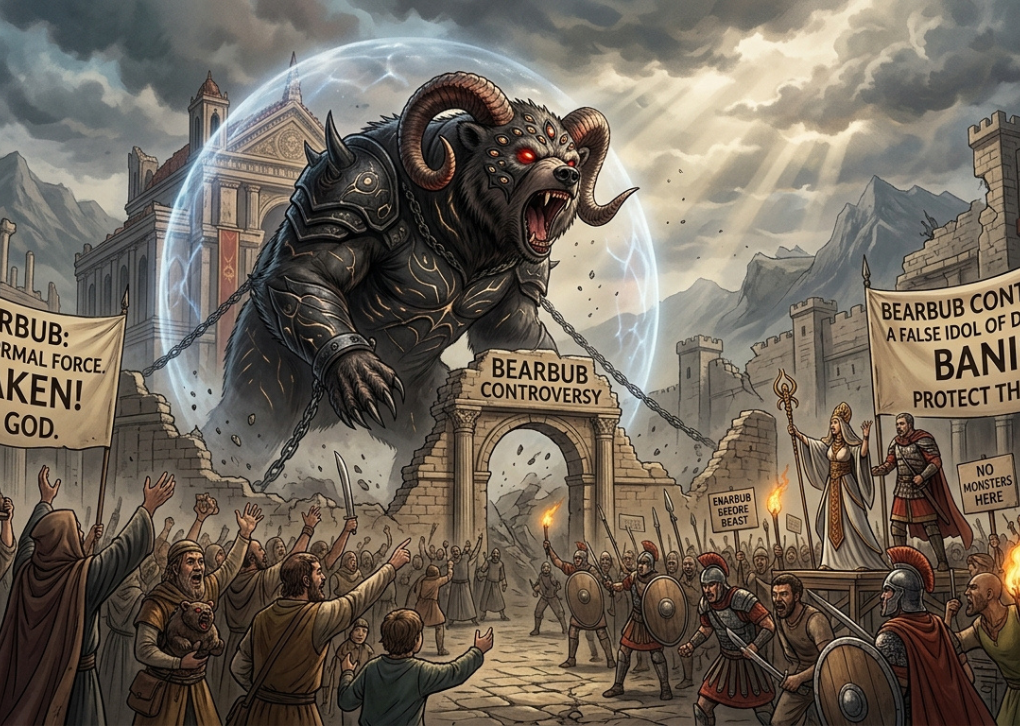
The Bearbub controversy became a major discussion point in online communities after a rapidly growing furry creator faced waves of accusations, criticism, and debate across social media platforms. What started as questions about a creator’s sudden popularity quickly expanded into a much larger conversation about online accountability, fandom culture, rumors, identity, and how internet communities handle public disputes.
The Bearbub controversy is a useful case study because it shows how quickly a digital reputation can change. A creator can gain thousands of followers in a short period, attract fans, and then suddenly become the focus of intense scrutiny. In online spaces, especially communities built around niche interests such as furry fandom, viral growth often brings both attention and criticism.
According to online documentation of the dispute, the controversy involved a series of allegations and discussions surrounding the creator known as Boof, also referred to as Brother Boofer, within furry communities. The accusations spread primarily through social media discussions, with claims involving political associations, community relationships, artistic practices, and other personal controversies.
This article breaks down what happened, why the situation became controversial, how online communities reacted, and what broader lessons can be learned from the Bearbub controversy.
What Is the Bearbub Controversy?
The Bearbub controversy refers to a wave of online debate surrounding a bear-themed furry creator who gained attention quickly before becoming involved in public criticism and allegations.
The controversy was not based on a single event. Instead, it developed through multiple conversations, reposts, screenshots, and reactions from different corners of social media.
The main factors that fueled the discussion included:
- Rapid online growth: Some users questioned how quickly the creator gained popularity.
- Community concerns: Members of online fandom spaces debated whether certain connections or behaviors aligned with community expectations.
- Allegations shared online: Various claims circulated, creating a cycle of responses and counter-responses.
- Reputation management challenges: The controversy highlighted how difficult it can be for internet personalities to control narratives once discussions become viral.
Like many internet controversies, the Bearbub controversy became bigger than the original accusations. It evolved into a debate about evidence, online justice, misinformation, and digital identity.
Why Did the Bearbub Controversy Go Viral?
The Role of Social Media Amplification
Social media platforms reward emotional reactions. Posts that create anger, surprise, or curiosity often receive more engagement than ordinary updates.
The Bearbub controversy spread because online communities reacted quickly. Screenshots and claims can travel across platforms within minutes, often reaching people who have little background information about the original situation.
A typical viral controversy cycle looks like this:
- A claim appears online.
- Other users repost and comment.
- More people join the discussion without full context.
- The original subject responds.
- The debate continues through competing narratives.
This pattern is common in creator controversies. The speed of information sharing often becomes faster than the process of verifying facts.
The Impact of Fandom Communities
Fandom communities are highly connected. They are built around shared interests, but they also develop their own expectations and social standards.
The furry community, like many online groups, contains millions of people with different opinions, backgrounds, and values. When a prominent creator faces criticism, community members often debate questions such as:
- What behavior should be considered unacceptable?
- How much evidence should be required before judgment?
- Should personal relationships affect public reputation?
- How should creators respond to criticism?
The Bearbub controversy gained attention partly because it touched on these broader community questions.
Major Allegations Connected to the Bearbub Controversy
It is important to separate verified information from online accusations. Viral claims are not automatically proven facts.
Documentation of the controversy describes accusations involving topics such as political beliefs, associations with controversial individuals or groups, artistic and financial practices, and personal relationships.
However, online allegations require careful evaluation. Screenshots, posts, and claims can sometimes lack context, be misunderstood, or be presented selectively.
When analyzing a controversy like Bearbub, readers should consider:
- Source credibility: Who made the claim, and what evidence supports it?
- Original context: Was the information complete or edited?
- Response from the accused: Did the person address the claims?
- Independent confirmation: Did reliable sources verify important details?
A responsible approach avoids both blindly defending someone and automatically accepting every accusation.
Bearbub Controversy and the Problem of Internet Trial by Public Opinion
One of the biggest discussions created by the Bearbub controversy was the question of online accountability.
The internet has changed how communities respond to harmful behavior. In the past, criticism of public figures often moved slowly through traditional media channels. Today, online communities can immediately investigate, discuss, and criticize creators.
This creates both advantages and risks.
Benefits of Online Accountability
Online communities can:
- Expose harmful behavior.
- Give smaller voices a platform.
- Encourage creators to act responsibly.
- Push public figures to address concerns.
Problems With Digital Call-Out Culture
At the same time, online controversies can become unfair when:
- Claims spread without verification.
- People are judged based on assumptions.
- Personal information is shared unnecessarily.
- Large groups attack individuals without evidence.
The Bearbub controversy demonstrates the complicated balance between accountability and online harassment.
How the Creator Economy Makes Controversies More Intense
Creators today are not only entertainers. Many operate as personal brands.
Their reputation affects:
- Sponsorship opportunities.
- Community trust.
- Merchandise sales.
- Fan relationships.
- Future career growth.
A controversy can therefore become financially significant.
The Bearbub controversy highlights an important reality: creators must manage not only their content but also their public identity. Every post, interaction, and association can become part of their permanent digital footprint.
Lessons Creators Can Learn From the Bearbub Controversy
1. Build Trust Before Going Viral
Fast growth can attract attention, but sustainable success requires credibility.
Creators should focus on:
- Transparent communication.
- Consistent values.
- Respectful community engagement.
- Clear boundaries with audiences.
A strong reputation built over time is easier to protect during controversy.
2. Respond Carefully During Online Drama
Emotional reactions often make situations worse.
A professional response usually includes:
- Acknowledging concerns.
- Clarifying misunderstandings.
- Providing evidence where appropriate.
- Avoiding unnecessary personal attacks.
Silence may sometimes be the right choice, but impulsive responses can create additional problems.
3. Understand That Online Communities Remember
Internet discussions often remain searchable long after the original event.
Creators should assume that public posts may become permanent records.
Digital reputation management is no longer optional for anyone building an audience online.
What the Bearbub Controversy Reveals About Online Culture
The deeper importance of the Bearbub controversy is not only about one creator. It reflects larger changes in internet culture.
Modern online communities operate almost like small societies. They have:
- Social rules.
- Influencers.
- Conflicts.
- Reputation systems.
- Informal methods of punishment and forgiveness.
A controversy can become a test of how a community handles disagreement.
Healthy communities encourage discussion while still demanding evidence and fairness. Unhealthy communities can turn every disagreement into harassment or mass judgment.
FAQ About the Bearbub Controversy
What is the Bearbub controversy?
The Bearbub controversy refers to an online dispute involving a bear-themed furry creator and discussions surrounding allegations, community reactions, and social media criticism. The controversy became widely discussed because of the speed at which information and accusations spread online.
Why did the Bearbub controversy become popular?
The controversy gained attention because of viral social media posts, community discussions, and debates about online accountability. Rapid sharing allowed the discussion to reach audiences beyond the creator’s original community.
Were the allegations in the Bearbub controversy proven?
Not every online allegation should be treated as confirmed fact. Some claims circulated through social media discussions, but readers should distinguish between documented events, accusations, and verified evidence.
What can creators learn from the Bearbub controversy?
Creators can learn the importance of reputation management, careful communication, transparency, and maintaining positive relationships with their communities.
How should people respond to online controversies?
People should examine evidence carefully, avoid spreading unverified claims, consider multiple perspectives, and avoid harassment while discussing public issues.
Final Thoughts: Understanding the Bigger Meaning Behind the Bearbub Controversy
The Bearbub controversy shows how unpredictable online fame can be. A creator can rise quickly, build a passionate audience, and then face intense examination from the same digital spaces that helped create their popularity.
The biggest lesson is simple: online communities need both accountability and responsibility. Criticism matters, but evidence matters too. Public discussions should focus on facts rather than rumors, and creators should understand that their digital actions can have long-lasting consequences.
For readers following internet controversies, the best next step is to look beyond viral posts. Check sources, consider context, and avoid forming opinions based only on the loudest voices online.
[…] looks like the sort of word that should have a precise definition. Search for it, though, and the picture becomes strangely fragmented. Some pages describe […]
[…] and property-related topics. That distinction matters, especially if you are visiting the domain expecting property listings, agent tools, transactions, or a verified […]
[…] first glance, the name may suggest an Australia-only travel publication. The live site tells a more complicated story: its navigation is multi-topic, its archive stretches across several years, and its own newer […]